Occupational Health & Safety
Protecting workers requires accurate exposure assessment and immediate access to actionable data. EDC’s occupational monitoring instruments combine real-time aerosol measurements with compliance-grade air sampling to support industrial hygiene programs across manufacturing, construction, mining, utilities, and emergency response.
Designed around recognized OSHA and NIOSH sampling practices, our wearable monitoring solutions help safety professionals evaluate exposures, reduce risk, and strengthen workplace health and safety programs.

Featured Products
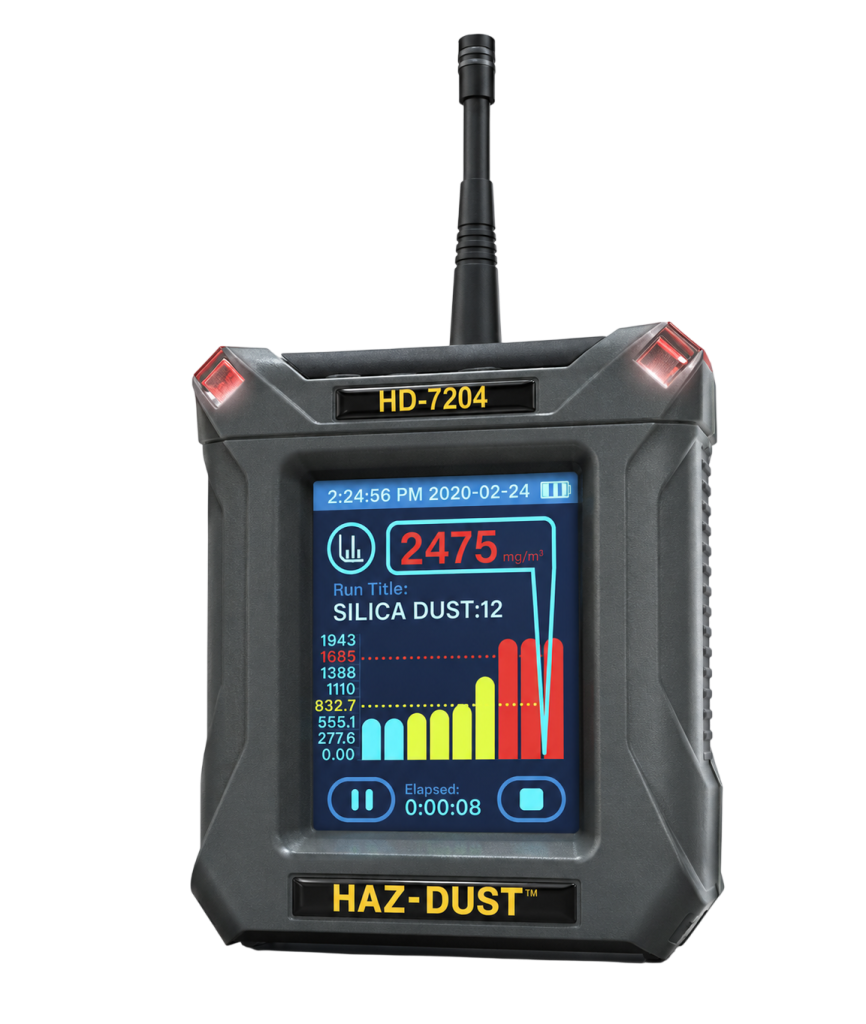
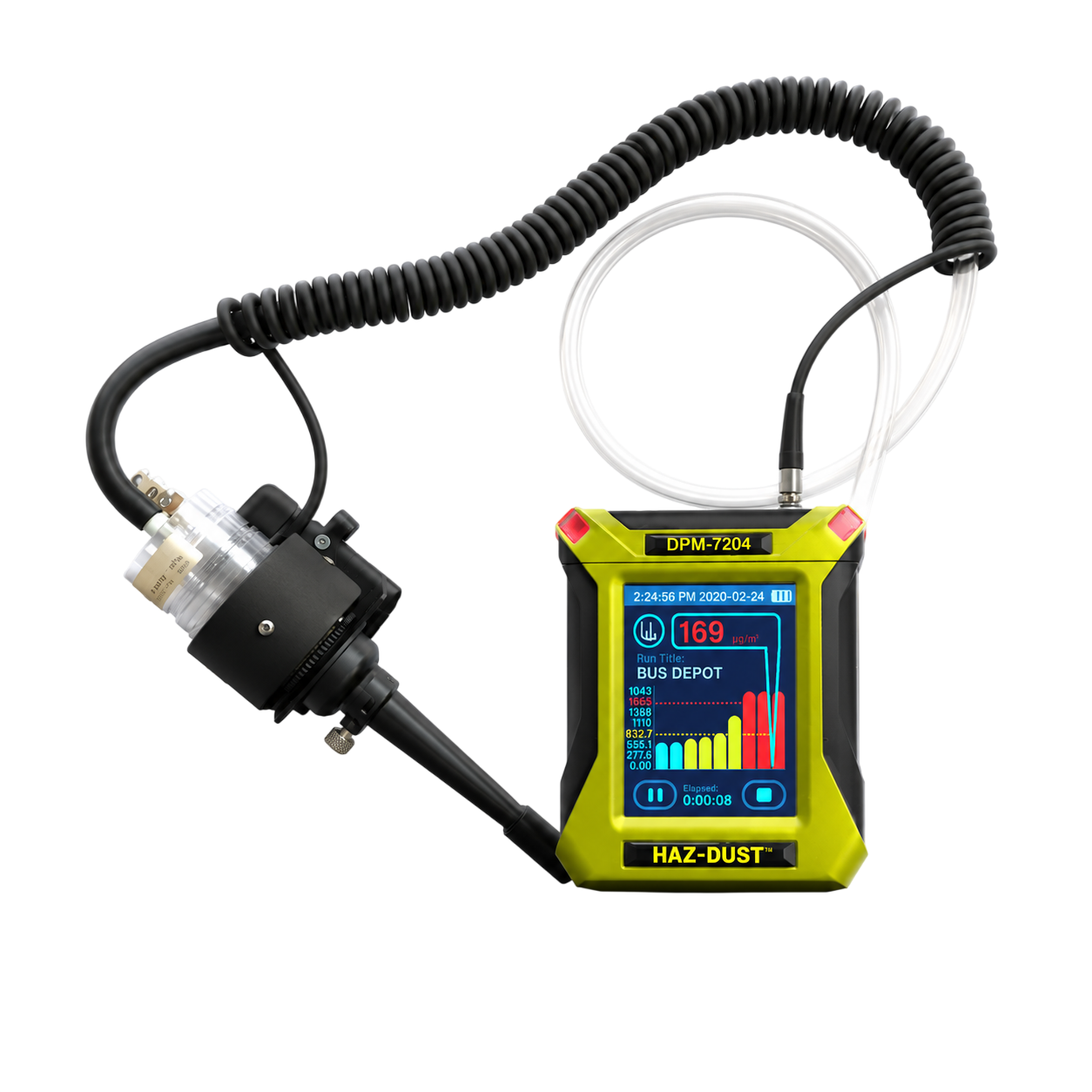
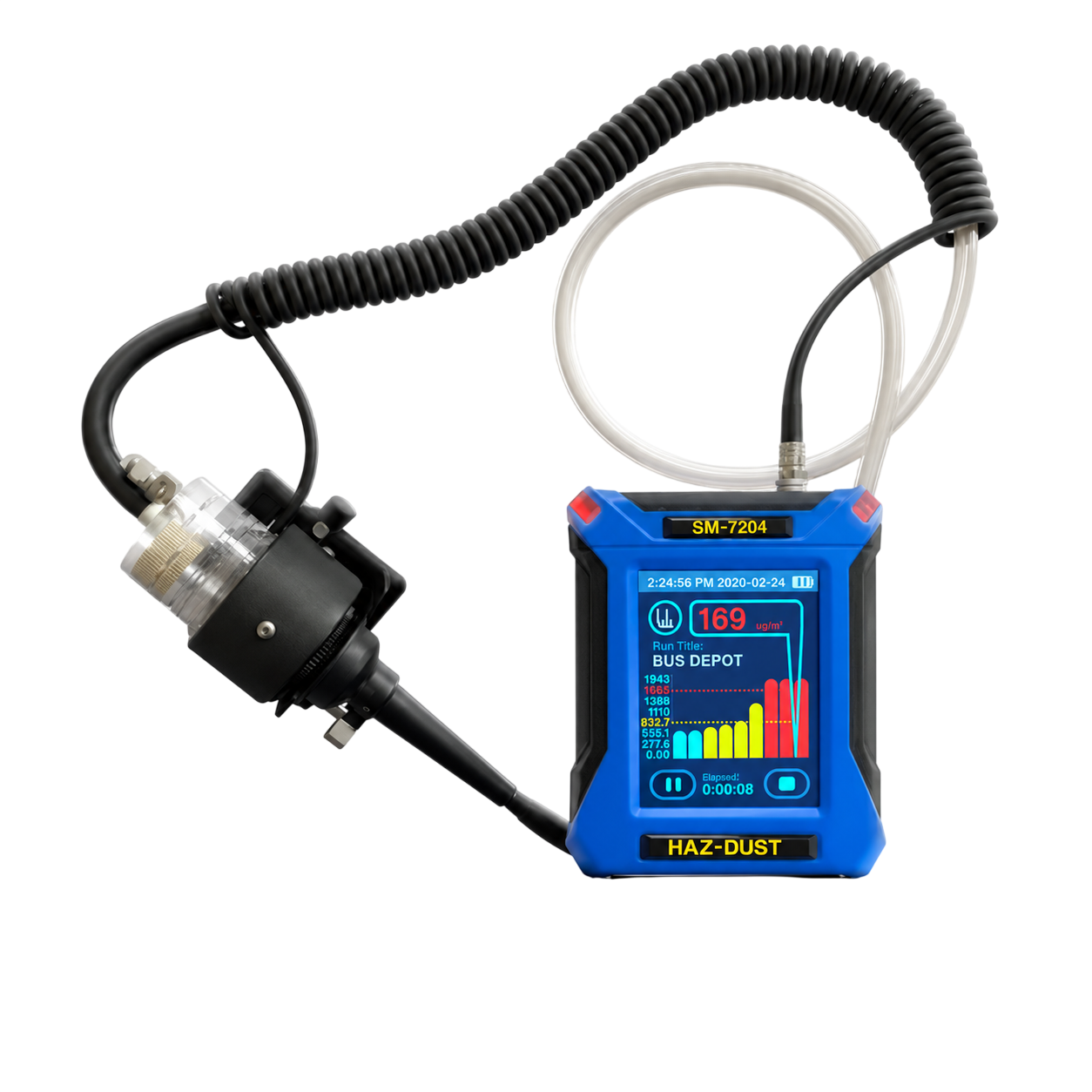
HD-7204
Personal Aerosol Monitor
Protecting workers starts with understanding what they are exposed to. The Haz-Dust® HD-7204 gives Occupational Health & Safety professionals real-time visibility into personal airborne particulate exposure, helping identify high-risk tasks, pinpoint problem areas, and evaluate the effectiveness of workplace exposure controls.
With a miniature sensor positioned in the OSHA-defined breathing zone, interchangeable respirable and inhalable sampling inlets, real-time exposure data, and filter-based sampling capabilities, the HD-7204 provides a versatile solution for monitoring a broad range of workplace particulate hazards.
Engineered For Compliance
The HD-7204 combines real-time aerosol monitoring with filter-based gravimetric sampling, allowing organizations to collect immediate exposure information while maintaining the capability for filter-based analysis. Its flow-compensated pump and compatible sampling configurations are designed to support NIOSH 0500 and NIOSH 0600 methods for compliance monitoring applications.
Gravimetric & Real-Time Sampling
The “two instruments in one” system, combines a personal real-time aerosol monitor with compliance-oriented gravimetric sampling, allowing users to see particulate concentrations immediately while collecting a filter sample for gravimetric analysis. Industrial hygiene teams can reduce reliance on separate monitoring instruments and help investigate exposure events with actionable real-time data.
Designed For Accuracy
The HD-7204 uses a 90° light-scattering, 880 nm optical sensor calibrated against a NIST-traceable gravimetric reference using SAE fine test dust. It specifies ±10% accuracy to filter gravimetric measurements, with ±0.02 mg/m³ precision and a minimum resolution of 1 µg/m³, providing real-time particulate measurements alongside filter-based sampling.
Learn More
Related Articles
Assessment of Volatile Organic Compounds at Gasoline Filling Stations and Possible Impacts on Human Health in Lahore, Pakistan
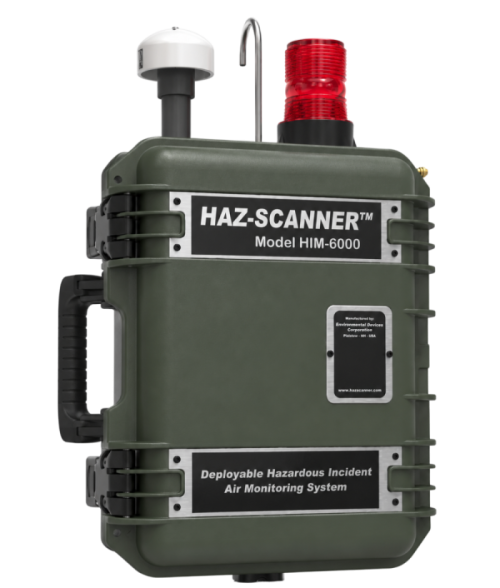
The Lahore city, Pakistan has 400 plus filling stations, which are busy in fuel filling round the clock. During supply, storage and its breathing, filling process, volatile compounds are released to the atmosphere which increase VOCs concentration not only on filling stations but also to adjoining areas. These VOCs especially benzene/toluene is reported to be a potential for smog formation in addition to other causes, which is being observed in this city for last two years since 2016. Six company petrol filling stations (5 pumps for each company) were monitored using Haz Scanner HIM-6000 to measure VOCs near each filling station.